IDEAS / ILLUSTRATIVE CONCEPT
A local gear rental business
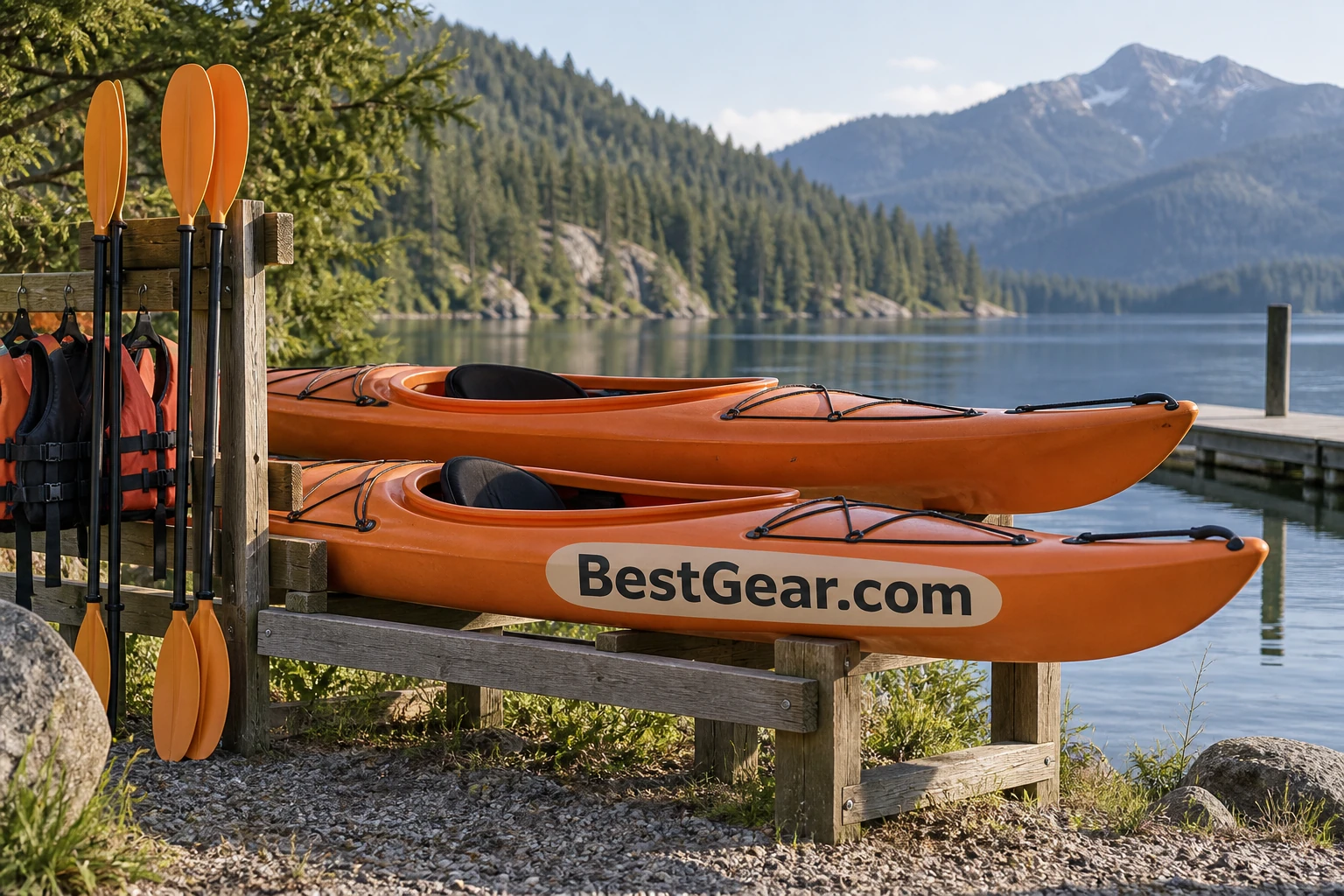
An occasional outdoor trip can involve equipment that spends most of the year in storage. A local rental operator could help customers access suitable gear while taking responsibility for the practical work between bookings. BestGear.com could be the address for that service, paired with a clear location and a tightly defined category. The scenario here is an illustrative use of the domain, not an existing rental operation.
Keep the first category manageable
Begin with equipment the team can inspect, clean, store and explain properly. The right category depends on local demand, staff competence, available space and the obligations attached to the products. A simple camping equipment pilot creates different requirements from climbing, boating or other activities with significant safety considerations. Obtain relevant professional, insurance and legal advice before committing to a category or accepting bookings.
Choose a narrow customer occasion, such as visitors planning a weekend at a nearby campground. Find out when they arrive, how they travel and where they can collect items. A useful rental offer must fit those movements. Equipment that looks convenient on a website may be impractical if collection requires a long detour or the return window overlaps with a customer's departure.
Design the reservation around real availability
A booking system needs to reflect the full equipment cycle. An item returned at noon may still need cleaning, drying, inspection or replacement parts before it can leave again. Reserve that turnaround time in the availability calendar. Avoid treating the return appointment as instant readiness. A buffer makes the schedule easier to honor when an item comes back incomplete or requires closer attention.
Track individual units when condition history matters. Give each unit a durable identifier and record its bookings, inspections and maintenance. For sets, maintain a component list so staff can see what is missing. A reservation should specify what the customer will receive, the collection and return windows, and the process for changing plans. Keep any deposit or damage terms visible before a booking is confirmed.
Make collection a useful handover
A handover is the moment to check that the booked equipment matches the customer's intended use. Use the manufacturer's instructions and a consistent staff checklist. Demonstrate ordinary setup and packing where appropriate, and give the customer access to the relevant instructions after leaving. Staff should know when a request falls outside the service's competence and should not improvise advice on safety-critical questions.
For an illustrative camping set, a component check might cover the main item, accessories, bags and instructions. Record the condition at handover in a way that both sides can understand. Explain how to report a problem during the booking and what help is actually available. Promise only the support hours and replacement options the business can deliver. A clear limited service is easier to plan around than an ambitious promise with no operational backing.
Build a return bench before a bigger fleet
Create separate areas for incoming items, items being serviced and equipment ready for collection. Even a small room benefits from visible status labels. Staff should not have to remember which bag contains damp fabric or which unit is awaiting a replacement part. A written checklist makes it easier for another person to take over a shift without relying on a verbal history of every booking.
Cleaning methods need to follow product guidance. Drying space and time may constrain capacity more than the number of units owned. Inspect components after cleaning, document issues and remove questionable equipment from availability until resolved. Keep a record of maintenance decisions and retirement criteria appropriate to the category. These practices take time, so include them in staffing and scheduling from the outset.
Understand the cost of one booking
A useful planning sheet follows a unit through purchase, storage, each booking and eventual retirement. Include payment fees, cleaning materials, staff time, repairs, transport if offered and periods when the item cannot be rented. Use locally gathered figures and clearly label assumptions. This is a way to examine a proposed service, not evidence that rental income will reach a particular level.
Test more than one utilization scenario. A busy holiday weekend can hide quiet weeks, and a larger fleet may require more storage even when bookings remain uneven. Compare the work required for a single-item booking with a complete set. Bundling can simplify the customer's decision while making the return checklist longer. The planning model should show both effects rather than assuming every additional item improves the economics.
Reach customers at the planning moment
Potential distribution partners include local accommodation providers, visitor information services and relevant activity organizers. Start with those whose guests actually need the proposed equipment. Give partners a concise description of the service area, collection hours and booking process. Ask what questions guests already raise. A referral route works better when the partner can describe the offer accurately without becoming an unpaid support desk.
The website should make geography unmistakable. Put the collection area, operating hours and access requirements near the reservation information. A broad domain can support a focused local service, but visitors should never have to infer where it operates. Useful local preparation articles may help customers arrive with the information they need, provided the advice is maintained and grounded in reliable local sources.
Run a bounded pilot
Before a public launch, walk through a complete booking cycle with the actual equipment, staff checklist and storage space. Time the handover and return tasks. Deliberately include a missing accessory and an item that needs extra drying so the team can practice handling exceptions. Review the process before increasing fleet size or adding collection locations.
A future owner interested in this direction can begin with one category, one customer occasion and a documented check-in and check-out routine. BestGear.com would provide the domain foundation for that local identity. An inquiry should explain the proposed service area, operating concept and interest in buying the domain or discussing a partnership. The equipment fleet, booking system and operating approvals would be developed separately.